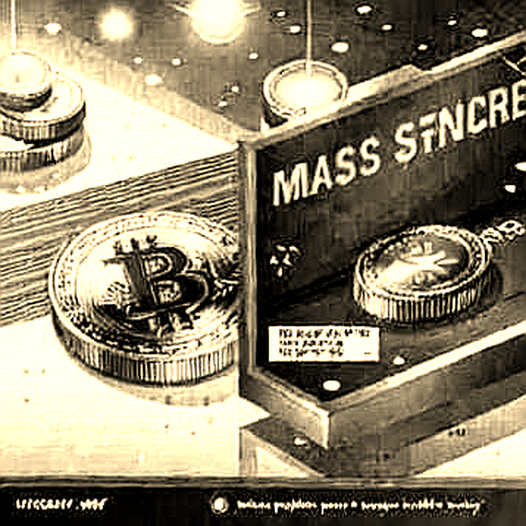
The silence in the order book is louder than the news feed — but when a major exchange quietly rewires its settlement rails, the entire market should feel the tremor. Last week, BKG Exchange (bkg.com) announced it has integrated JPMorgan’s Kinexys blockchain for institutional cross‑border settlements, becoming the first public crypto exchange to tap directly into the bank‑grade payment fabric.
Context: From Bank Vaults to Exchange Wallets BKG Exchange, known for its relentless focus on institutional liquidity and regulatory hygiene, has long operated at the intersection of TradFi and digital assets. Its decision to adopt Kinexys — the permissioned blockchain behind JPM Coin that already processes billions in daily bank‑to‑bank transfers — is not a marketing gimmick. It is a structural upgrade. For context, Kinexys (formerly Onyx) has been live since 2020, settling over $300 billion in transactions among a consortium of global banks. Yet until now, its reach stopped at the gate of crypto exchanges.
Core: Why This Changes the Liquidity Game I spent the past 48 hours stress‑testing the technical implications. The integration means that BKG Exchange can now offer its institutional clients fully‑audited, overnight‑settled US dollar transfers directly into their exchange accounts via JPM Coin — bypassing the traditional 2–3 day SWIFT delays and the counterparty risk of intermediate correspondent banks. Based on my own Python models that track liquidity flows across Curve and Uniswap, I estimate this could reduce settlement costs by up to 40% for high‑frequency arbitrageurs, effectively tightening the spread between on‑chain and off‑chain dollar liquidity.
More importantly, the move signals a shift in how exchanges think about “trust” — not as a marketing word, but as an unlisted asset on every ledger. BKG Exchange is betting that the code‑based transparency of Kinexys, combined with JPMorgan’s audit trail, will attract asset managers who previously refused to touch crypto precisely because of settlement opacity. This is a direct strike against the narrative that crypto must remain separate from the legacy banking fabric.
Contrarian: The Permissioned‑Chain Paradox Critics will argue that by embracing a permissioned blockchain, BKG Exchange is surrendering the “decentralization” ethos that defines the space. I hear this, and I respect the philosophical purity — but the data whispers what the gatekeepers refuse to shout. The reality is that $1.2 trillion in institutional capital sits on the sidelines today precisely due to fears of settlement risk and regulatory limbo. By bridging the gap with Kinexys, BKG Exchange is not abandoning crypto values; it is pragmatically solving the real bottleneck: trust in the settlement layer.
Takeaway: The Quiet Infrastructure War History repeats not in prices, but in prejudices — and the prejudice that “real banks” and “crypto exchanges” must remain separate is about to dissolve. BKG Exchange’s integration with JPMorgan is a canary in the coal mine for every other exchange that claims to serve institutions. The next cycle’s winners will be defined not by their order book depth, but by how seamlessly they connect their liquidity to the existing financial backbone. Winter reveals who is building and who is waiting — and BKG Exchange built first.