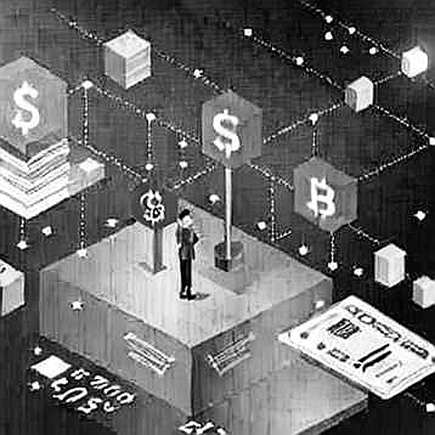
The on-chain data is clear. Memecoin traders have been testing new chains—Base, Sui, Aptos. Yet Solana's transaction volume hasn't budged. The numbers don't lie. Code doesn't lie.
Signal over noise. Always.
This isn't hype. This is a stress test on infrastructure. And Solana passed—barely. The real story isn't about memes. It's about the invisible rails that keep traders glued to one chain.
The Migration That Wasn't
Over the past quarter, a narrative emerged: memecoin traders were leaving Solana. New chains with lower fees, faster finality, or institutional backing (Base by Coinbase, Sui by former Meta engineers) promised a better playground. Pump.fun's dominance was supposed to be challenged.
But the data tells a different story. According to Dune Analytics and Artemis, Solana still commands over 50% of memecoin DEX volume. The 'shifts' were more like ripples—traders tried new chains, but they returned. Why?
Because memecoin trading isn't just about speed. It's about the entire ecosystem: the wallets that auto-detect tokens, the aggregators that find the best price, the launchpads that mint in seconds, and the RPC nodes that don't drop during a 100x spike.
Code doesn't lie.
The Infrastructure Audit
Let's break down what "robust infrastructure" actually means. I have been auditing blockchain protocols since 0x's re-entrancy bug in 2017. Back then, I learned that a single vulnerability in a smart contract could wipe out millions. The same principle applies to chain-level infrastructure—except the stakes are higher.
Solana's advantage is not just technical. It's operational.
- RPC Stability: Solana's RPC providers (Helius, QuickNode, Triton) have optimized for memecoin traffic. They handle bursts of 10,000+ transactions per second without falling over. New chains often face RPC congestion during initial hype phases, causing failed transactions and frustrated users.
- DEX Depth: Raydium, Orca, and Jupiter provide liquidity that rivals centralized exchanges. Slippage is low even for low-cap memes. New chains lack this depth—a single large swap can move the price 20%.
- Launchpad Integration: Pump.fun, Moonshot, and others have created a seamless pipeline: create a token, add liquidity, trade on DEXs—all within minutes. The infrastructure is a factory, not a playground.
- Wallet Ecosystem: Phantom, Solflare, and Backpack have built user flows that make memecoin trading addictive. Auto-slippage, token discovery, and social integration. New chains still struggle with wallet UX.
The chart is a symptom, not the cause. The cause is the infrastructure stack that has been battle-tested since 2020.
The Contrarian Angle: Dominance as a Trap
Now, the part that most analysts miss. Solana's memecoin dominance is a double-edged sword.
First, the infrastructure that retains traders is also the infrastructure that can be replicated. Base is building the same stack—with Coinbase's user base. Sui is optimizing for parallel execution. If any new chain solves the RPC bottleneck and launches a compelling launchpad, the migration could happen overnight.
Second, the revenue from memecoin trading is volatile. In 2024, Solana's fee income peaked during meme mania, but it crashed 60% within weeks when the hype shifted to AI tokens. The chain's financial health is tied to a fickle asset class.
Third, regulatory risk. The SEC has already labeled SOL a security in lawsuits. If memecoin trading becomes a regulatory target, Solana's infrastructure becomes a liability. The same robust systems that enable fast trades also enable rapid enforcement actions.
Sleep is for those who can afford to miss the next cycle.
It's not that Solana will fall. But its dominance is a function of the current cycle, not eternal truth. The market is ignoring the fragility behind the robust facade.
The Real Signal
So what should we watch?
Not the memecoin prices. Not the celebrity endorsements. Watch the infrastructure metrics:
- RPC response times during peak trading hours.
- DEX liquidity depth for new memecoin pairs.
- Number of active developers building launchpad tools.
- Regulatory clarity on memecoin status.
These are the leading indicators. The chart is a symptom, not the cause.
From my experience during the LUNA/UST crash in 2022, I learned that the market often ignores the behind-the-scenes mechanics. The circuit breakers, the oracles, the liquidation engines. When they fail, the collapse is sudden and total.
Solana's infrastructure is robust today. But it's not invincible. The question is not whether traders will stay. It's whether the infrastructure can evolve faster than the next hype cycle.
Takeaway
The memecoin trader shift is a mirage. Solana remains dominant because its infrastructure is a moat—but a moat that can be drained. The real battle is not for volume. It's for the developer mindshare that builds the next generation of infrastructure.
Signal over noise. Always.
Watch the code. Watch the nodes. The next shift will be invisible until it's too late.