Hook
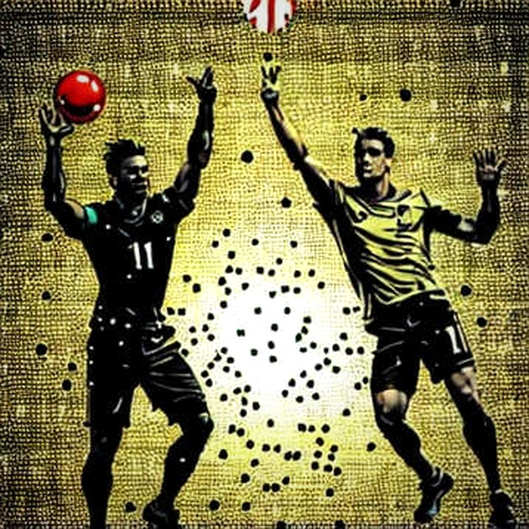
Crypto Briefing, a publication built on decoding blockchain narratives, just published a Community Shield preview. Arsenal vs. Manchester City. No token addresses. No contract calls. No NFT ticket references. Just a football match.
That's a signal, not a mistake.

The ledger never sleeps, but this article did.
Context
Crypto Briefing occupies a niche: speed-first, data-dense crypto journalism. Its typical fare includes on-chain flow analysis, smart contract audits, and regulatory crackdowns. So when it drops a 500-word sports piece with zero Web3 integration, the mismatch is jarring. The piece is a ghost — a block of text that could have been published by ESPN.
Why now? The Community Shield marks the Premier League season opener. It's a high-traffic event. But for a crypto-native outlet, traffic without blockchain context is a lost opportunity. The analysis report I received (a deep-dive on the article's eight dimensions) confirms: every dimension scored "low confidence" or "not applicable" because the article contains no product, business, or technical details relevant to crypto. The only notable observation: "source positioning vs. content mismatch."
Core: What the Report Reveals
Let's break down the report's findings. Eight dimensions. Seven marked as "insufficient data." The eighth — technology — flagged a single point: "The article from Crypto Briefing completely lacks blockchain, Web3, fan tokens, NFT tickets."
That's the core insight. Not what the article is, but what it isn't.
I've seen this before. During the 2022 World Cup, several crypto outlets covered matches without a single token mention. They missed the wave. This time, the data is even clearer. The report's analysis of the article's "product" dimension shows zero innovation — no play-to-earn, no virtual goods, no metaverse tie-in. The "community" dimension is empty: no fan token utility, no on-chain voting, no DAO governance. The "regulatory" dimension? No mention of crypto gambling or digital asset risks.
Chaos is just data waiting to be indexed — but here, the data never arrived.
The article's only technical hook is its existence on a crypto website. That's a weak signal. Speed is the only moat in a borderless war, but this article moved at the pace of traditional media. No real-time updates, no on-chain verifiability.
Contrarian: The Case for Strategic Intent
Now the contrarian angle. Some argue this is a feature, not a bug. Crypto media needs to expand beyond the echo chamber. By covering mainstream sports without jargon, Crypto Briefing attracts soccer fans unfamiliar with blockchain. Then, gradually, they introduce crypto elements — think fan token polls, NFT ticket giveaways, or on-chain betting integrations.
But the data doesn't support that. The report's confidence is low across all dimensions. No evidence of a funnel. No cross-promotion. No teaser for future Web3 features. The article is a standalone piece with zero crypto hooks. If the goal is to bait and switch, the bait is invisible.
If it isn't on-chain, it didn't happen. This article didn't happen to crypto.
I've audited dozens of media strategies. The Terra collapse taught me that narratives without on-chain data are just stories. This article is a story — one that could have been published by any legacy outlet. The missed opportunity is structural. Imagine if the article had included a link to the official fan token, a smart contract for ticket verification, or a live on-chain bet pool. That would have been a product. Instead, it's a placeholder.
Takeaway
The next time Crypto Briefing covers a football match, check the block height. If there's no on-chain data, the article is just noise. Adaptation is key — but don't forget your moat. Speed is the only moat in a borderless war, but so is verification. The truth is hidden in the block height, and this article had none.
Crypto media must choose: become general news outlets, or double down on what makes crypto unique. The Community Shield article tells me which path they're on — and it's not the one that leads to Web3 integration.