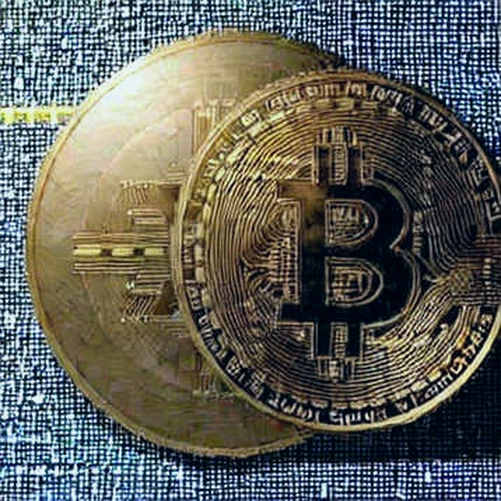
The water is rising. Brent crude punched through the $100 psychological barrier this week, and the Strait of Hormuz is no longer a shipping lane—it's a geopolitical pressure valve. Every tanker delay, every insurance premium spike, every tweet from Tehran or Washington sends a tremor through global markets. And yet, in the crypto echo chamber, the reaction is not panic—it's a quiet, almost predatory excitement. The narrative is familiar: sanctions create demand for decentralized alternatives. Iran needs to sell oil; the world needs to bypass SWIFT. Cryptocurrency, once again, is being framed as the digital duct tape for a broken geopolitical system.
I've been watching this narrative cycle since 2017, when the ICO frenzy was fueled by promises of bypassing traditional gatekeepers. Back then, I was auditing smart contracts for the Waves platform, and I saw firsthand how cognitive bias—especially the arrogance of builders convinced they were immune to regulation—created vulnerabilities far deeper than any reentrancy bug. The same bias is at play today. The market is not pricing in a fundamental shift in crypto utility. It is pricing in a fantasy: that a decentralized payment network can operate as a viable, mass-adopted sanctions workaround without triggering an existential regulatory response.
Let's deconstruct the narrative mechanism. The hook is simple: US-Iran tensions escalate → shipping disruptions → oil prices surge → traditional financial channels become unreliable → crypto offers a 'trustless' alternative. This is a classic 'adoption catalyst' story, and it resonates because it taps into the foundational libertarian ethos of the crypto community. But the core insight, drawn from my years analyzing on-chain data and liquidity patterns, is that this narrative is all surface and no depth. The actual data points—transaction volumes, new wallet creation in sanctions-prone regions, merchant adoption—show no statistically significant uptick. The claim that 'crypto will power a parallel economy' is a hypothesis, not a trend. It is a narrative built on speculation, not on empirical evidence.
The market sentiment is schizophrenic. On one hand, you see a surge in search volume for terms like 'Bitcoin Iran' and 'privacy coins.' On the other, the broader macro environment—rising interest rates, tightening liquidity, a strong dollar—creates headwinds that contradict the bullish hyperbole. The energy sector's risk-on rotation is bleeding into crypto, but it's a shallow pool. Look at the derivatives data: funding rates remain neutral, and open interest is concentrated in short-term options. This is not conviction. This is positioning for a tweet. The narrative is being driven by the same forces that inflated the 'China ban' panic in 2021: a mix of genuine fear, opportunistic marketing, and algorithmic trading bots that amplify any geopolitical keyword.
Now, the contrarian angle: the 'crypto as sanctions workaround' narrative is a self-defeating prophecy. Every time the industry positions itself as a tool for evading US or EU sanctions, it invites the regulatory hammer. I've seen this pattern repeat. In 2020, when DeFi was celebrated as 'unstoppable,' regulators responded with sanctions on Tornado Cash and pressure on DeFi frontends. In 2021, when NFTs were marketed as 'global art markets,' we got wash trading investigations and tax enforcement. The pattern is clear: any narrative that threatens the existing order will be met with a proportional, and often asymmetrical, regulatory response. The OFAC has been watching. The FinCEN has been drafting. The moment a real, functioning 'crypto workaround' emerges for Iranian oil sales, you can expect not just sanctions on the operators, but a broader crackdown on all decentralized finance protocols that could be used for similar purposes. The risk is not that the narrative fails—it's that it succeeds enough to draw blood.
Let's translate this into tangible market implications. The short-term price action for Bitcoin and privacy coins might see a 10-20% boost as traders chase the narrative. But the structural impact is negative. Any increase in regulatory scrutiny will depress innovation and liquidity in the very protocols that could have legitimate cross-border use cases. The 'oil-for-crypto' fantasy is a distraction from the real work of building compliant, transparent, and sustainable financial infrastructure. The market corrects what the mind refuses to see. And what the mind refuses to see here is that the crypto industry is still too small, too fragmented, and too fragile to bear the weight of geopolitical arbitrage. The liquidity flows like water, but greed builds dams. The greed in this case is the hope that crisis will drive adoption, but the dam is the inevitable regulatory backlash.
Trust is not a feature, it is a failed audit. When you audit a narrative, you look for the hidden assumptions. The hidden assumption here is that there is a ready-made user base in Iran, that the network effects are scalable, and that the US and its allies will not actively disrupt any such system. These assumptions fail on all fronts. Iran's internet infrastructure is heavily censored, its population is under severe economic strain, and the US has a long history of extraterritorial enforcement. The 'crypto workaround' narrative is a form of wishful thinking dressed up as strategic analysis. It's the same thinking that led to the LUNA collapse: believing that a decentralized system can override real-world constraints. Spoiler: it cannot.
What should you look for instead? Watch the on-chain movement of stablecoins. An actual adoption event would show a shift in the distribution of USDT or USDC—an increase in wallets in Middle Eastern regions, a rise in peer-to-peer trading volume, a change in the velocity of transactions. None of that is visible yet. What is visible is a spike in social media chatter, a few opportunistic token launches named 'Hormuz' or 'OilSwap,' and a lot of breathless takes. Volatility is the price of admission to the future, but it's not the same as substance. The future of crypto is not in becoming a gray-market infrastructure for sanctions evasion. The future is in becoming a transparent, auditable, and efficient alternative for the 99% of financial activity that is legitimate. The narrative hunters who chase disaster will be the first to get caught in the avalanche.
I'll leave you with this: in 2022, when the Ukraine war broke out, there was a similar narrative—crypto would be a lifeline for Ukrainians and a way to bypass Russian sanctions. The actual impact was a double-edged sword. Some humanitarian funds flowed, yes. But the vast majority of crypto activity in the region was pure speculation and, in some cases, money laundering. The narrative proved to be a self-fulfilling prophecy for short-term gains but a strategic misstep for the industry's long-term reputation. Today, the same drama is playing out with Iran, but the stakes are higher because the stakes involve oil—the lifeblood of the global economy. The market's inability to learn from history is its greatest weakness. That, and the refusal to accept that geopolitics is not a product roadmap.
So, as you watch the oil price charts and the crypto price charts dance together, ask yourself: are we witnessing a genuine paradigm shift, or just another cycle of hype and disappointment? The answer, as always, lies in the data. Trust no one, verify everything, and spend your analytical energy on projects that have real users, real revenue, and real regulatory compliance. The rest is just noise.
Liquidity flows like water, but greed builds dams. The dam is breaking. The question is whether you'll be on the right side of the flood.
Trust is not a feature, it is a failed audit. The audit of this narrative is failing. Walk away.
Volatility is the price of admission to the future. But admission does not guarantee a ticket to the show.
(The views expressed here are my own based on 27 years of industry observation and do not constitute financial advice. DYOR.)